Interviewer: Business Desk
In the evolving global startup ecosystem, incubators and accelerators play a crucial role in supporting entrepreneurs, fostering innovation, and connecting startups with capital and international markets. The MEASA Incubator & Accelerator Program is one such initiative working across the Middle East, Africa, and South Asia to empower founders and early-stage ventures.
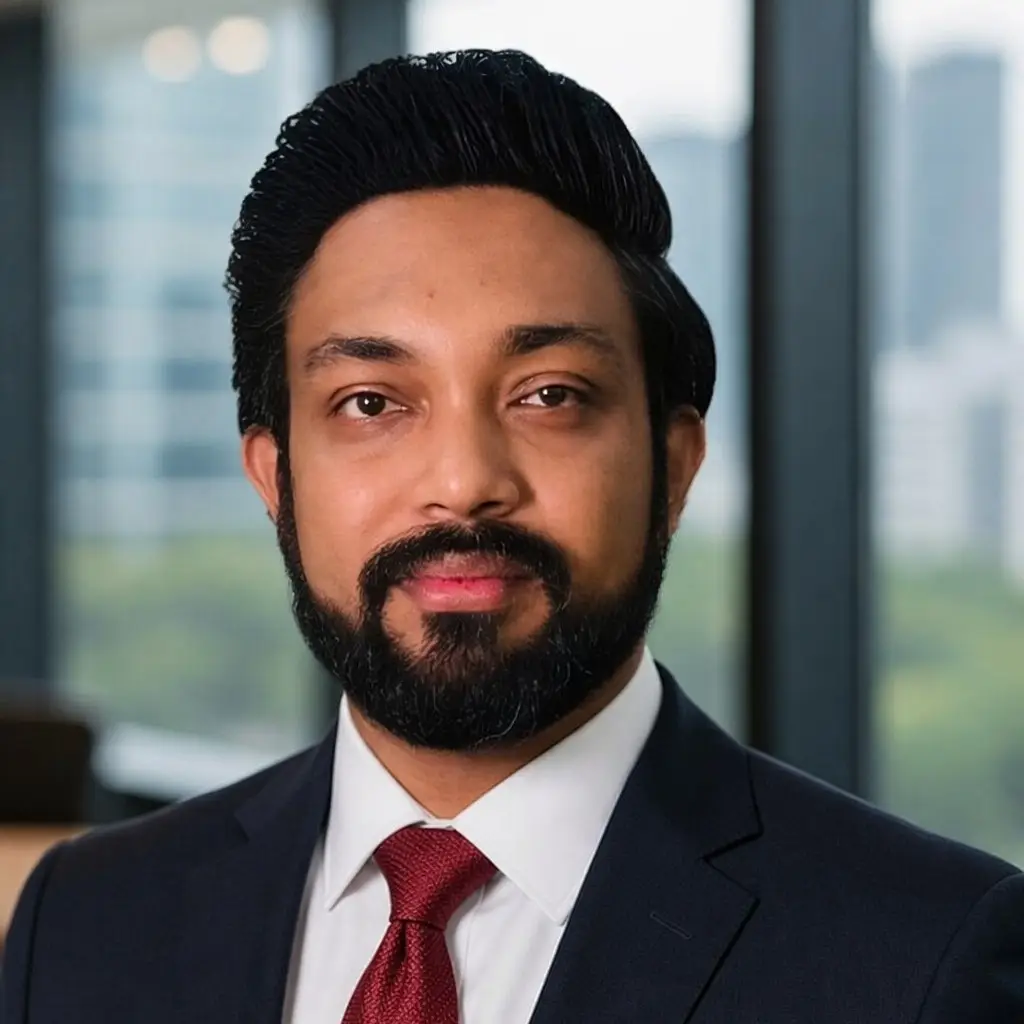
In this exclusive interview, Harun Or Rashid, Business Director of the MEASA Incubator & Accelerator Program, shares insights on the startup ecosystem, investment trends, and the role of incubators in shaping the next generation of entrepreneurs.
Q1: Can you briefly introduce yourself and your role at the MEASA Incubator & Accelerator Program?
Harun Or Rashid: I currently serve as the Business Director of the MEASA Incubator & Accelerator Program. My role focuses on building strategic partnerships, supporting startups in scaling their business models, and connecting founders with investors and international markets.
MEASA works across three important regions — the Middle East, Africa, and South Asia — which are some of the fastest-growing entrepreneurial ecosystems in the world. Our goal is to help startups move from early ideas to sustainable, investment-ready companies.
Q2: What makes the MEASA region so attractive for startup development?
Harun Or Rashid: The MEASA region has a unique combination of factors that make it highly attractive for startups. These include a large and young population, increasing digital adoption, and growing access to venture capital.
Countries across South Asia and the Middle East are also investing heavily in innovation, technology, and entrepreneurship infrastructure, which creates opportunities for startups to grow rapidly.
In addition, the region is increasingly connected through trade, technology, and investment flows.
Q3: What kind of startups does the MEASA Incubator and Accelerator Program focus on?
Harun Or Rashid: We focus primarily on high-potential startups with scalable business models. This includes sectors such as:
- Fintech
- Agri-tech
- Digital services
- E-commerce
- Mobility and logistics
- Artificial intelligence and data solutions
We look for founders who are solving real problems and who have the potential to scale beyond their local markets.
Q4: How does the incubator help startups grow from early stage to investment readiness?
Harun Or Rashid: Our program focuses on three key pillars.
First is mentorship and capacity building. Startups receive guidance from experienced entrepreneurs and industry experts.
Second is business development and market access. We help founders refine their product-market fit and expand into regional markets.
Third is investment readiness. We support startups in preparing their financial models, pitch decks, and growth strategies so they can attract investors and venture capital funds.
Q5: What challenges do startups in South Asia face when trying to scale internationally?
Harun Or Rashid: One of the biggest challenges is access to global networks. Many startups have strong ideas but lack connections with international investors and partners.
Another challenge is regulatory and market barriers, which can make cross-border expansion difficult.
Programs like MEASA help address these issues by providing mentorship, international exposure, and strategic partnerships that allow founders to navigate these challenges more effectively.
Q6: How important are accelerator programs in today’s startup ecosystem?
Harun Or Rashid: Accelerator programs have become extremely important because they significantly reduce the learning curve for startups.
Instead of spending years figuring out how to scale a business, founders can access structured support, industry expertise, and investor networks in a much shorter time frame.
For many startups, joining an accelerator program can be the difference between staying local and becoming a global company.
Q7: What advice would you give to young entrepreneurs who want to build startups today?
Harun Or Rashid: My advice would be simple: focus on solving real problems. The most successful startups are those that address genuine market needs.
Founders should also think globally from the beginning. Even if a startup begins in a local market, the business model should have the potential to scale internationally.
And finally, entrepreneurs should never underestimate the importance of strong teams, persistence, and adaptability.
Q8: What is the future vision for the MEASA Incubator & Accelerator Program?
Harun Or Rashid: Our vision is to build one of the most influential startup platforms connecting the Middle East, Africa, and South Asia.
We want to create an ecosystem where startups can easily access mentorship, capital, and international markets. Over the next few years, we plan to expand partnerships with investors, universities, and innovation hubs across multiple countries.
Ultimately, our goal is to help build the next generation of global startups emerging from the MEASA region.
Conclusion
As startup ecosystems continue to grow across emerging markets, leaders like Harun Or Rashid are working to ensure entrepreneurs have the support systems they need to succeed. Through programs like the MEASA Incubator & Accelerator, founders are gaining access to the tools, networks, and capital required to transform ideas into impactful global businesses.
WorldSMEIndex
Most Readed
Loading...